Background
In the fall of 2018, rideshare safety advocate Allison Tielking received national attention for her "Take Back the Ride" campaign, which demanded that rideshare companies better protect female riders from harrassment. In January 2019, she asked me to co-present with her to the Lyft C-Suite at their headquarters in San Francisco, focusing on the app's UX/UI. All of the figures shown are samples of the actual slides I personally crafted and presented.
Learning the pain points
The research plan
My goal was for the research to be efficient, grounded in real people's stories, and highlight a market pressure. This is what I decided I could do within a month:
Analyze the 40 stories Allison had collected from people who experienced sexual misconduct during a Lyft ride.
2. Conduct a task analysis study using 5 participants, asking them to complete the task of reporting misconduct in the app
Present a competitor analysis after auditing both the Lyft and Uber app

task analysis of reporting harassment in Lyft app, in Jan 2019


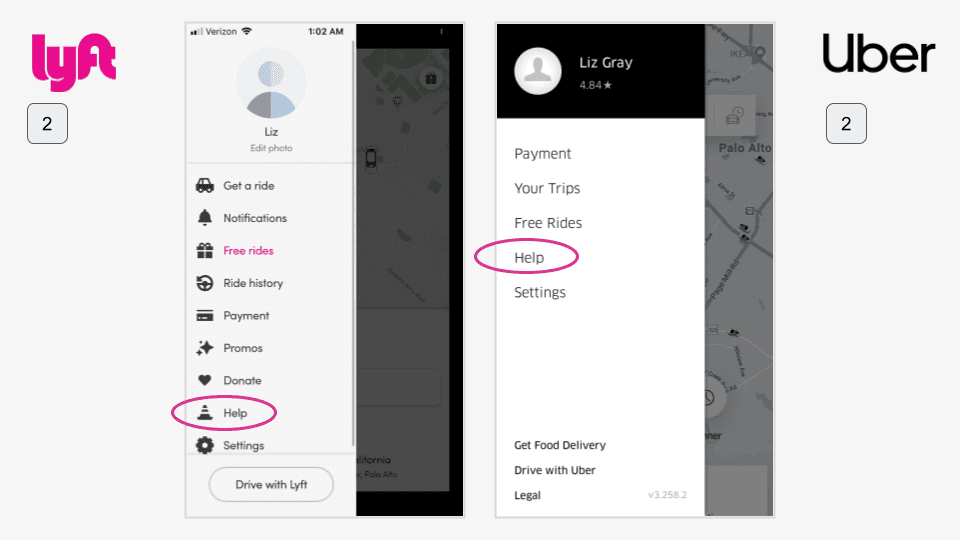
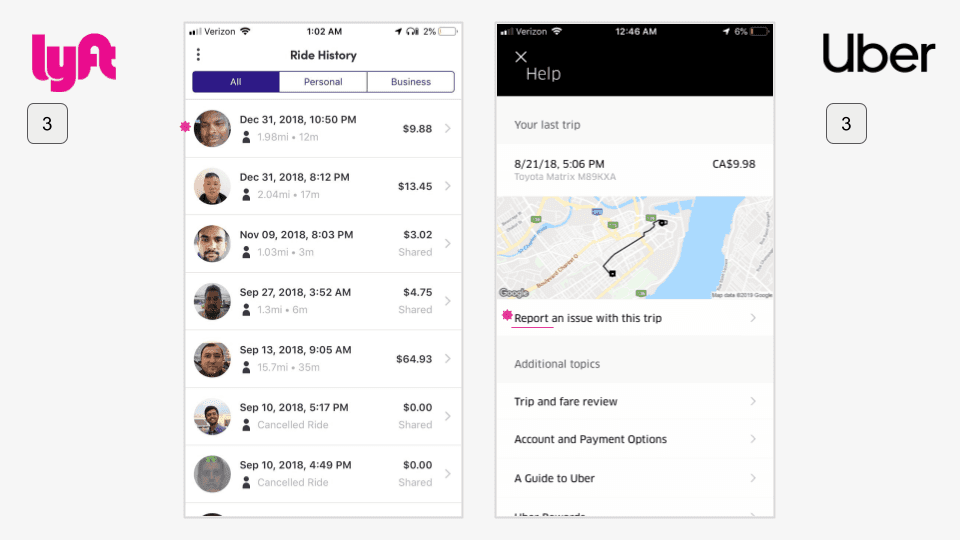

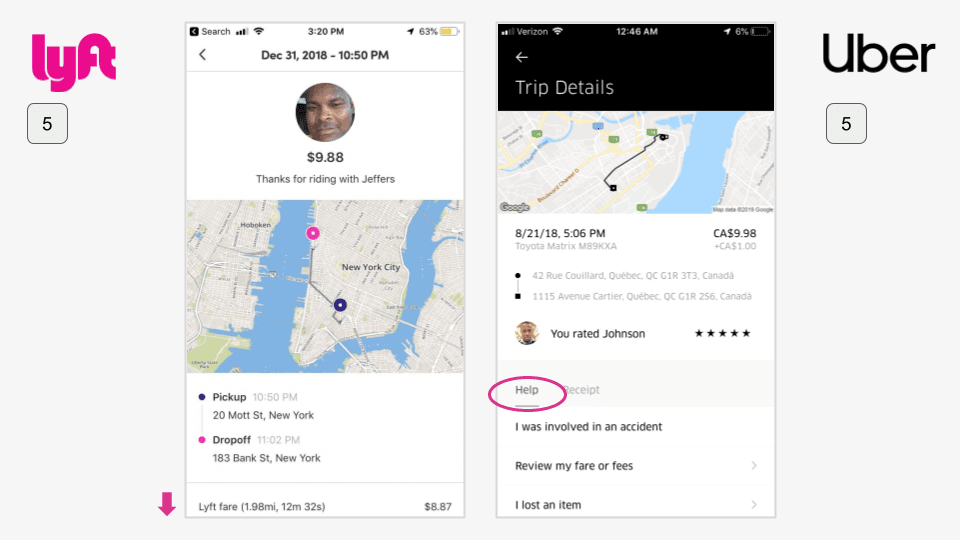


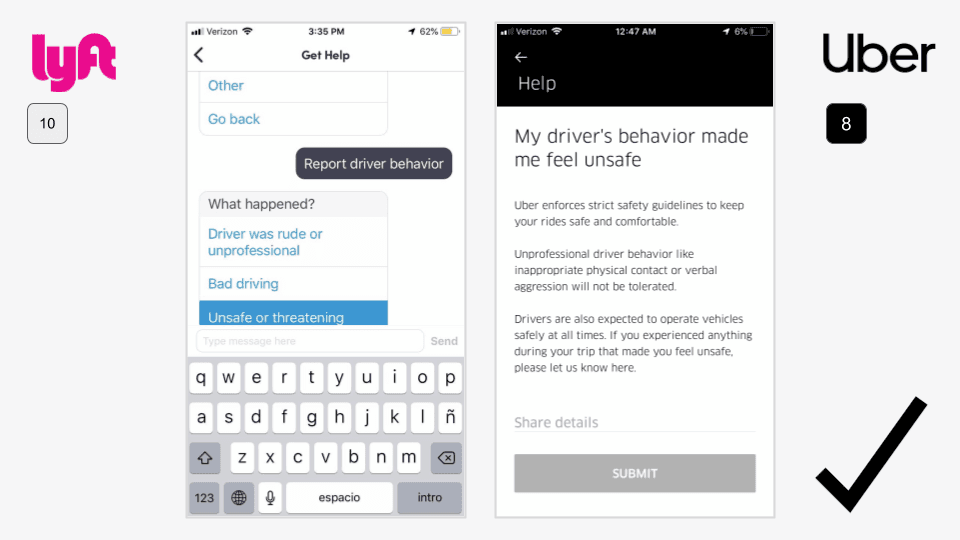
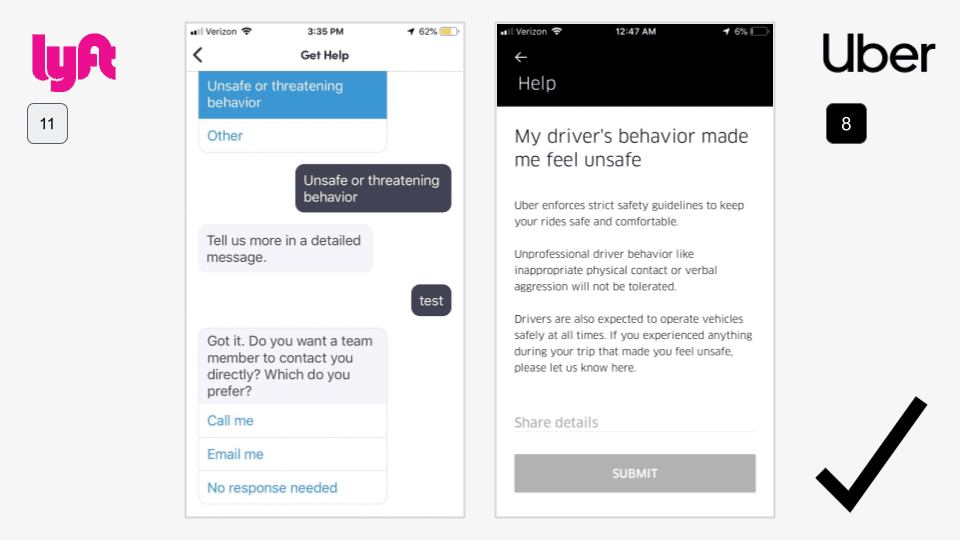


walkthrough of reporting harassment in Lyft vs. Uber
The findings
I found that the excessive steps, vague language ("The app was actually really not explicit with its language"), and unpredictable email follow-up from customer support created barriers, added confusion, and emotionally invalidated users during the sensitive aftermath of an incident.
The framing
Deciding to report sexual harassment is a heavy, often isolating choice. Where Lyft could be working to ease this difficult process, the inattentive user experience is instead complicating it and diminishing the courage of those who speak out.
So... where can Lyft improve?
Proposing the design directions
OFFER SAFETY OPTIONS DURING & IMMEDIATELY AFTER A RIDE
In addition to linking to the Help Center for non-immediate support, Lyft must offer options for emergency assistance during a ride. There should also be an option to report immediately after a ride in the case where a user wants to promptly file an incident only once out of a driver's vehicle.


walkthrough of reporting harassment in Lyft vs. Uber
SIMPLIFY REPORTING A PREVIOUS RIDE
Those who experience sexual harassment often need time before deciding to report, if they choose to at all. That's why simplifying the reporting process for a previous ride is crucial. Filing a report must require fewer steps and use more specific language. Additionally, users should have immediate access to support and follow-up communication options beyond just email.
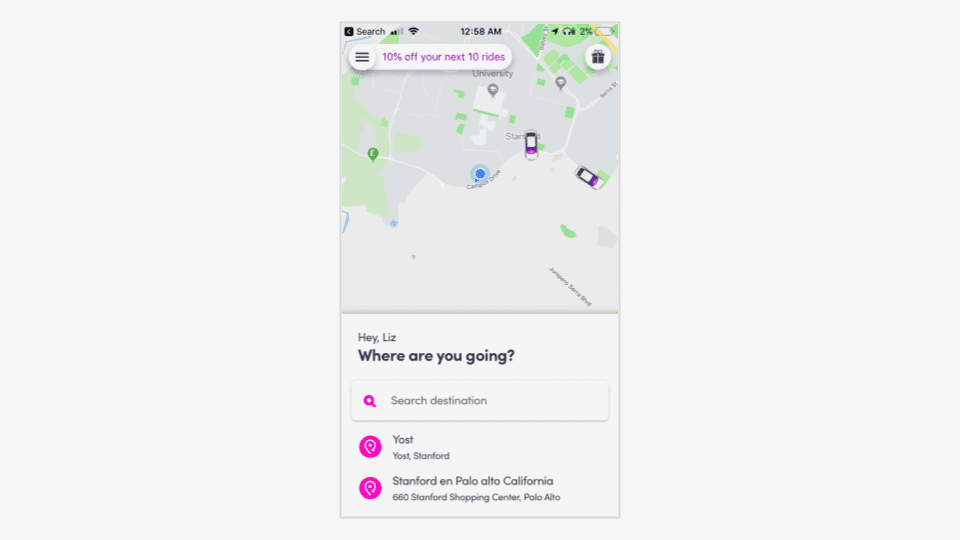
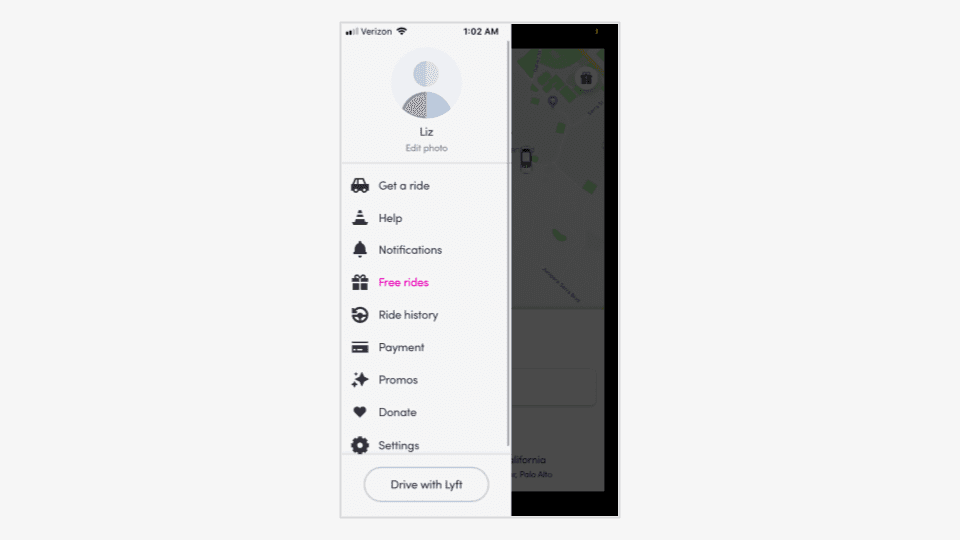


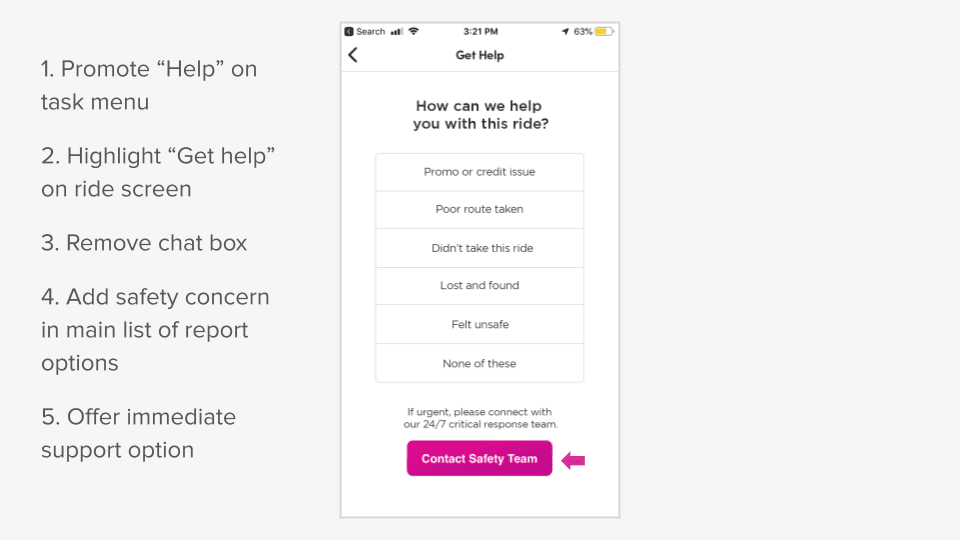
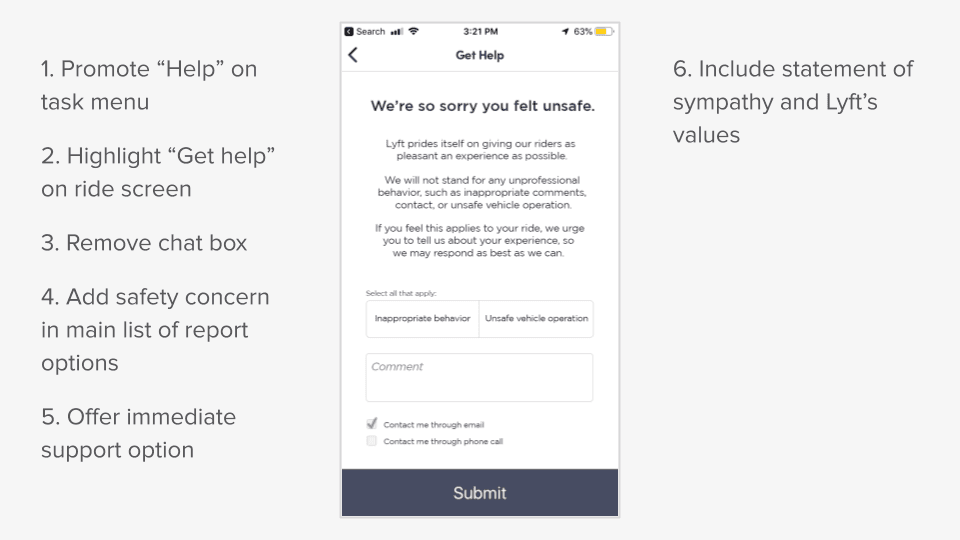
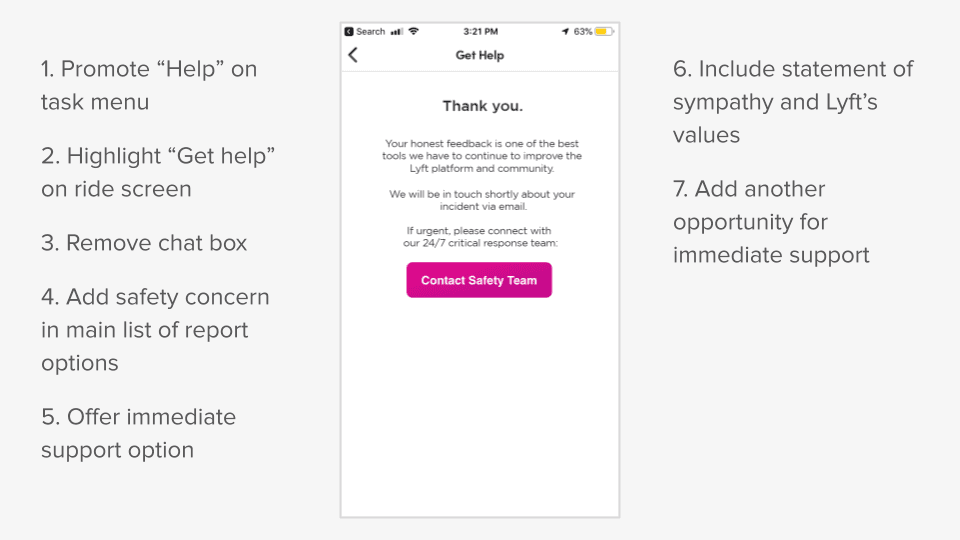
walkthrough of reporting harassment in Lyft vs. Uber
Impact
In February 2019, the month following the presentation, Lyft launched a Community Safety Program steering committee. They released a statement reinforcing their commitment to safety, specifically citing additions of emergency assistance during a ride and an option to report immediately after a ride. Their updated flow for reporting sexual misconduct has fewer steps, includes more specific language, provides immediate access to support, and offers alternative follow-up communication options.

screenshots provided by Lyft in their safety include: emergency assistance during a ride, more specific language, immediate access to support, and removal of the chat bot
Curious to learn more about this or other projects? You can reach me at elizabethogray@gmail.com :)
